
Benchmark · run 6 October 2026
Ten edits in a row, four image models
Four image models, each editing its own picture ten times in a row with the same instructions and the same keep-clause. Every intermediate frame saved, every figure computed by script.
Results
10 edits in a row · one chain per modelOne held. Three did not.
- FLUX.3 Image ended closest to its own seed on all three measures of departure: edge overlap 0.24 against 0.06 to 0.10 for the other three, drift 27.3 against 35.5 to 59.6, and a median edit that moved 3.3 grey levels against 7.6 to 34.3. The visual verdict, that FLUX.3 held up and the others degraded, is supported by these figures.
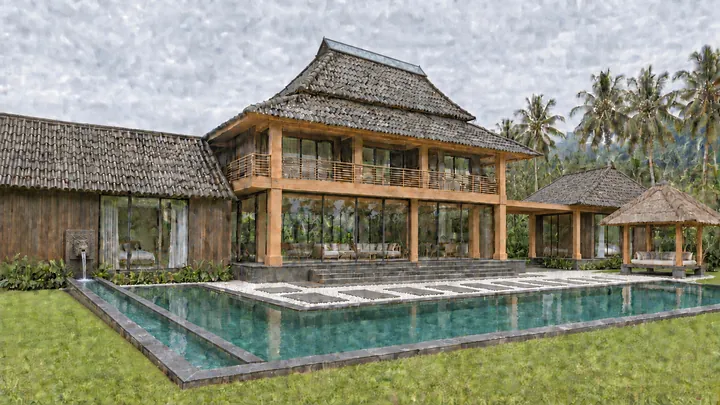
- The sky is the cleanest control, because no instruction touches it. It moved 4.3 for FLUX.3 Image and 21.4, 40.6 and 81.0 for GPT Image 2.5 Flare, MAI-Image-2.6 Flash and Seedream 5.0 Flash. In the frames this is the damage you can see: Seedream 5.0 Flash ends with a purple, high-contrast sky and GPT Image 2.5 Flare with a grainy one. For MAI-Image-2.6 Flash the figure is partly the building, whose roof climbs into the band as the camera closes in.
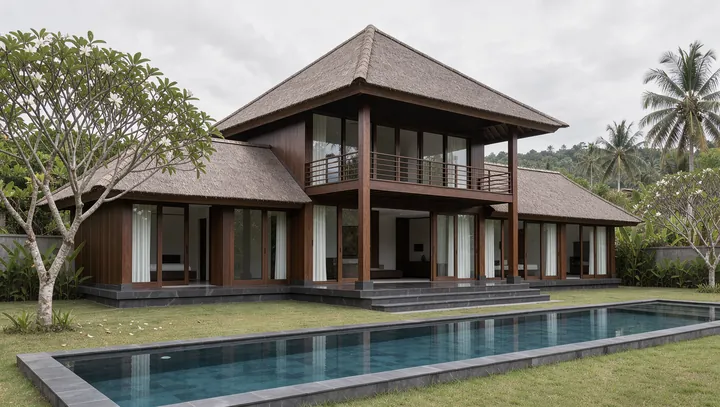
- The three failures are different. MAI-Image-2.6 Flash did not accumulate noise; it re-shot the picture from the first edit (edge overlap 0.14 after edit 1, 28.0 grey levels of change) and kept moving the camera. Seedream 5.0 Flash and GPT Image 2.5 Flare changed less per edit (12.1 and 7.6) but added texture that compounds: their detail ratio rose to 1.80 and 1.46.
- Sharpness alone would not have told the story. All four ended above 1.00 (1.18 to 3.10); FLUX.3 Image is nearest to its seed at 1.18. Above 1.00 here is grain, over-sharpened edges or a closer camera, not extra detail, so we do not read it as quality.
- One measure disagrees. The frame-margin colour shift, our general tone check, is 15.4 for FLUX.3 Image, larger than GPT Image 2.5 Flare (12.1). Most of it arrives at edit 5 (8.6 grey levels of change in one step, against 3.3 median), the edit that removes the tree standing in the left margin band. That is an instructed change landing in the margin, which is why we added the sky band as a cleaner control; we have not tried to correct for it.
- FLUX.3 Image is not the cheap or fast option here: 69.7 s median per edit and $0.024 per edit, against 7.8 s for Seedream 5.0 Flash (the fastest) and $0.018 for Seedream 5.0 Flash (the cheapest). It was the slowest of the four. Staying close to the seed was not free.
- Staying close is relative. FLUX.3 Image also moved: its final edge overlap is 0.24, not 1.00, and in the last frame the camera sits closer and the building reads simpler than in the seed. We did not measure camera movement on its own, but in the frames the camera moved in all four despite the lock in the keep-clause, by very different amounts.
The seed was generated once per model and reused for the chain; no chain was repeated. Frames differ in size between models. FLUX.3 latency for edits 1 to 8 comes from file timestamps, see the disclosure below.
Seed, edit 5, edit 10
Each model on its own seed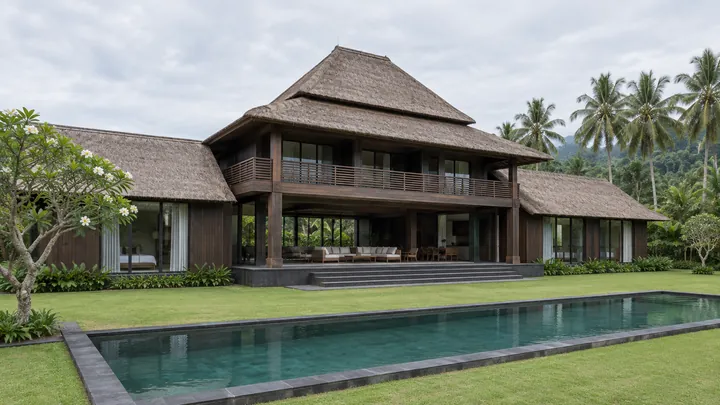
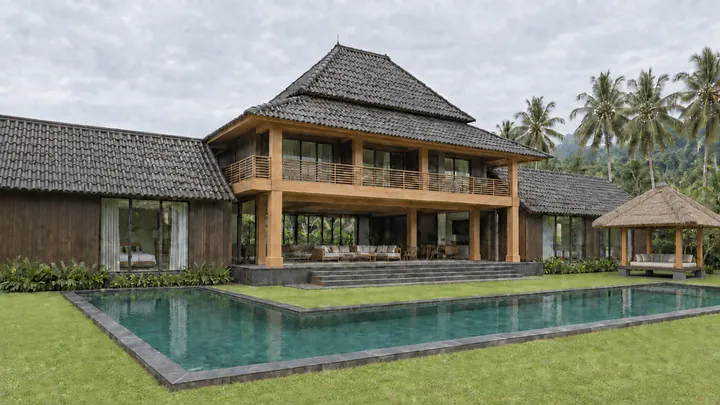
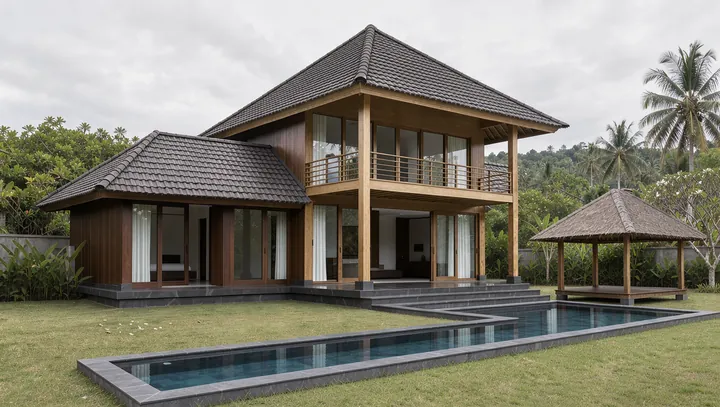
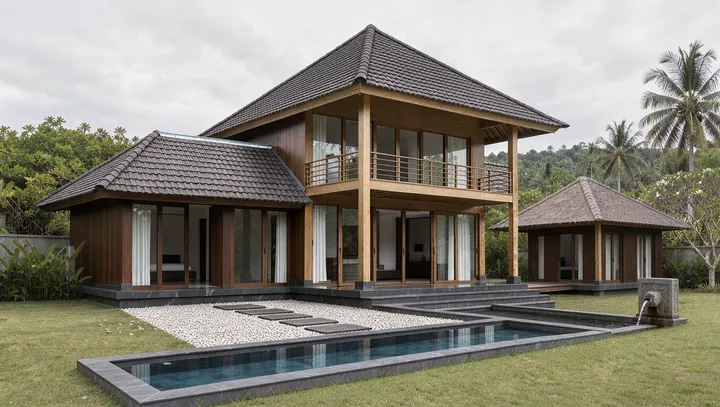
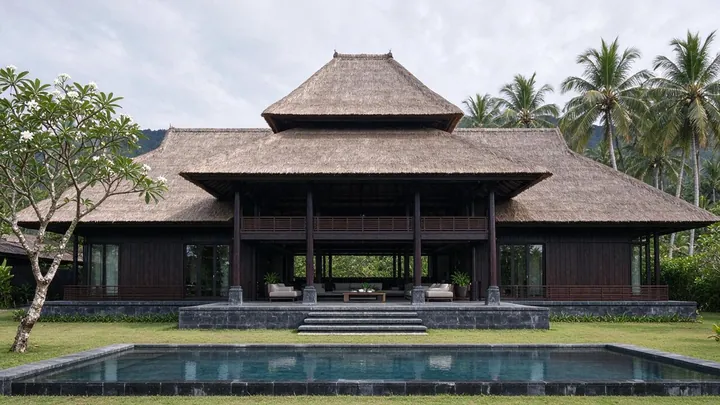
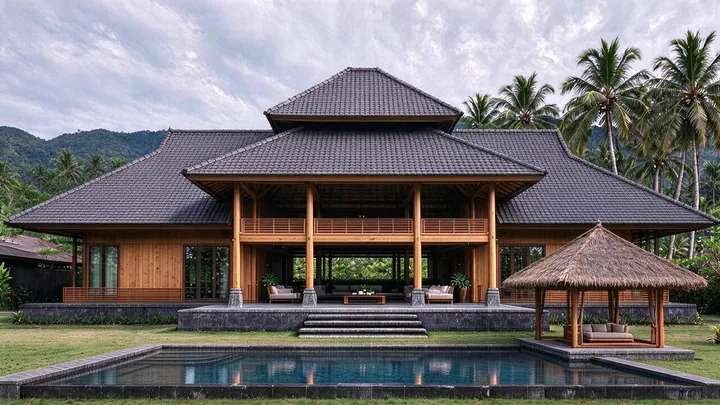
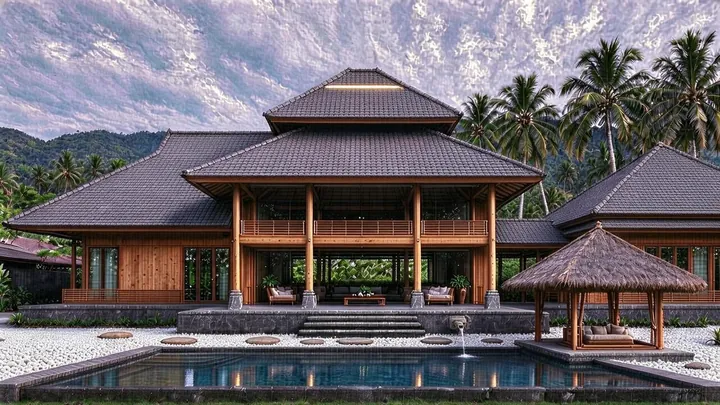
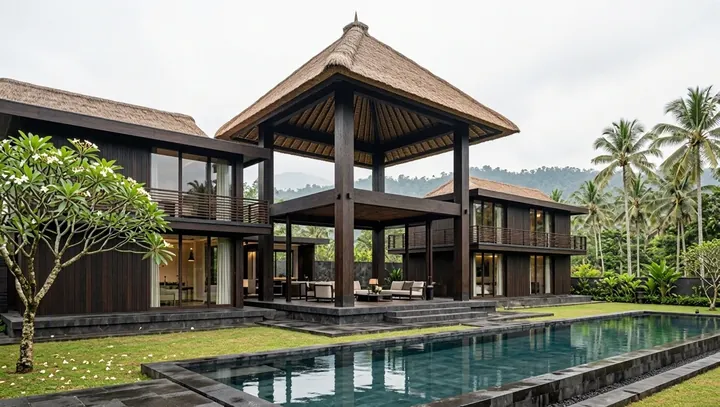
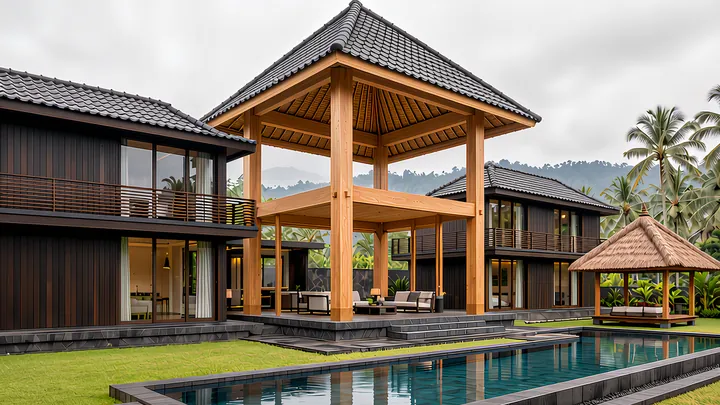
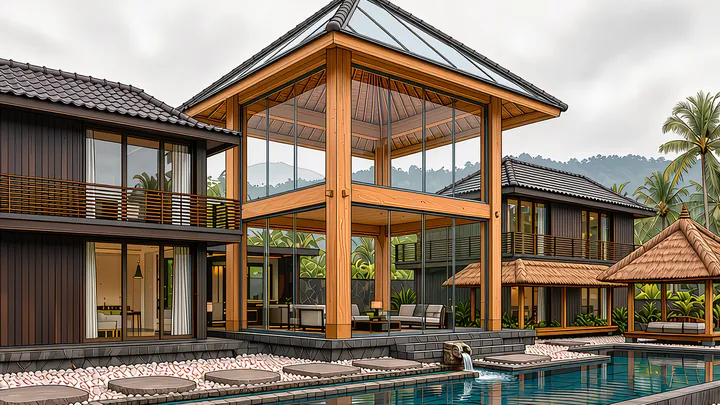
GPT Image 2.5 Flare: all eleven frames
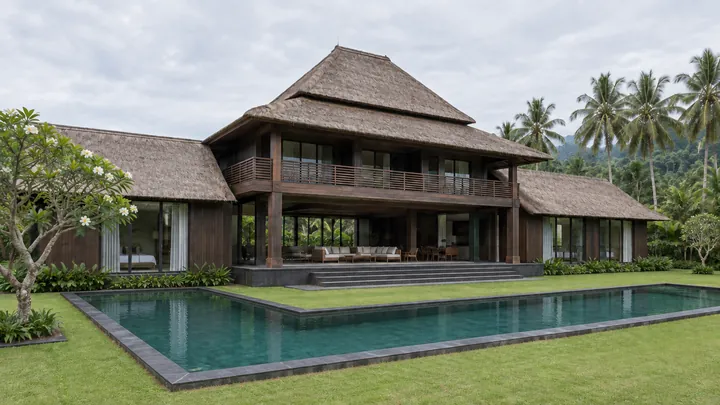
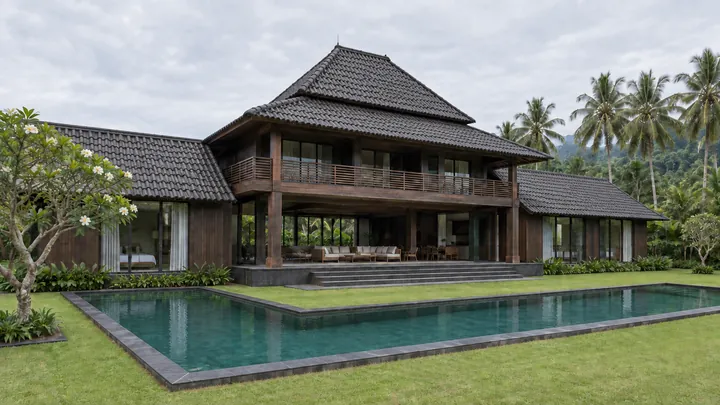
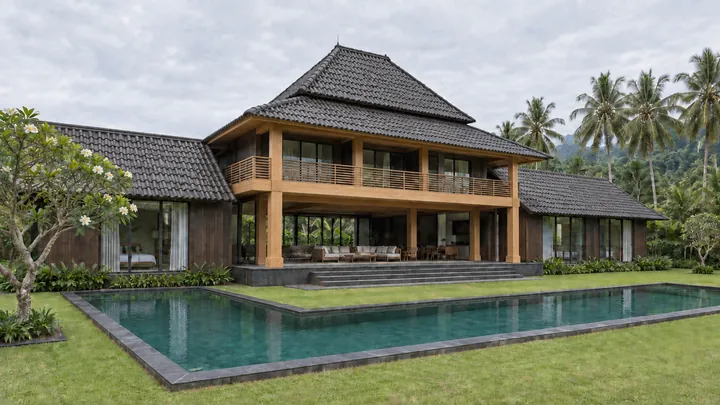
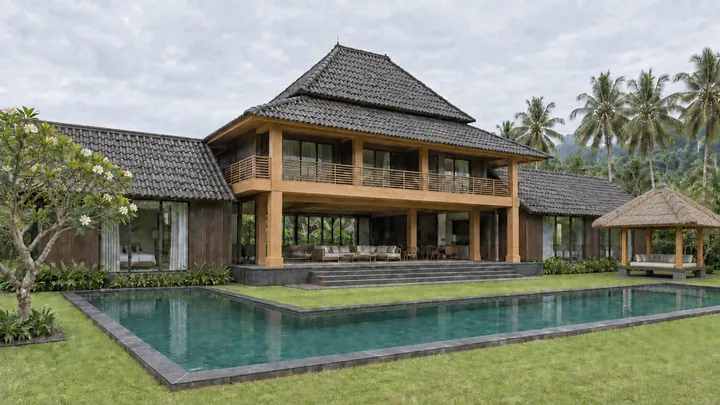
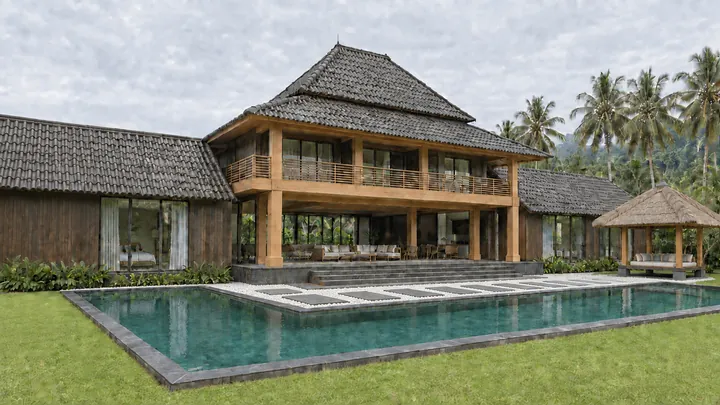
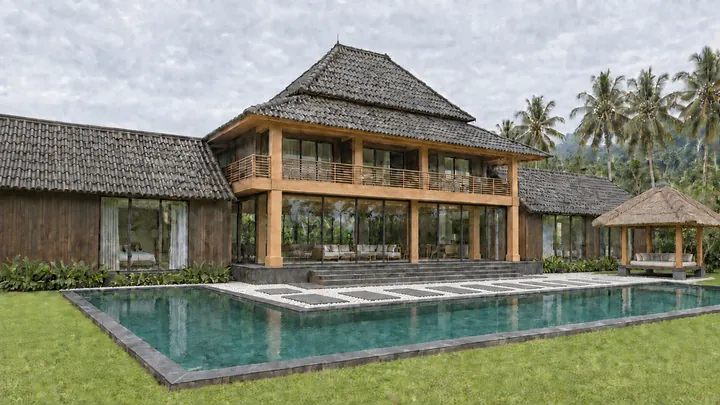
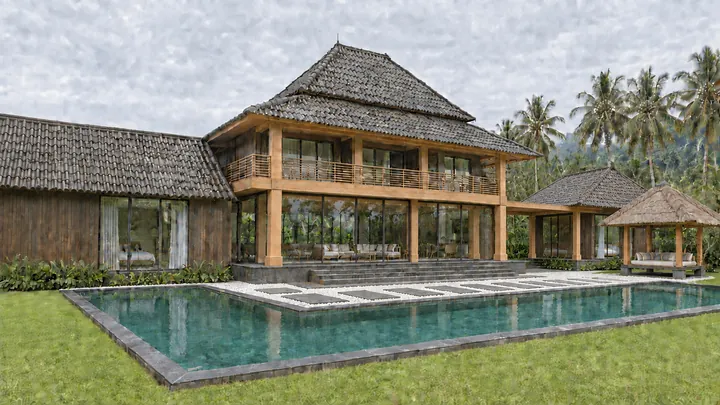
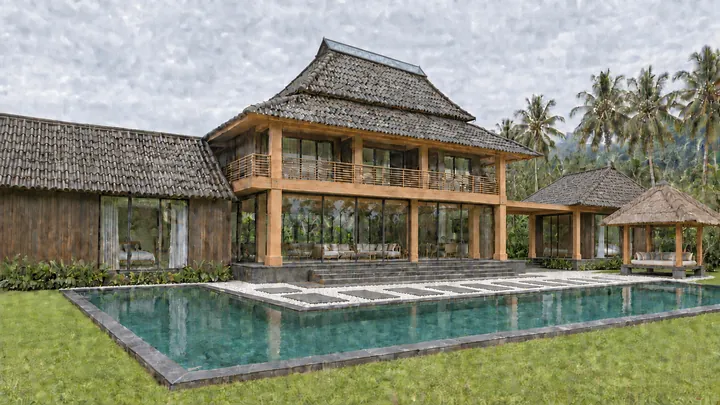
FLUX.3 Image: all eleven frames
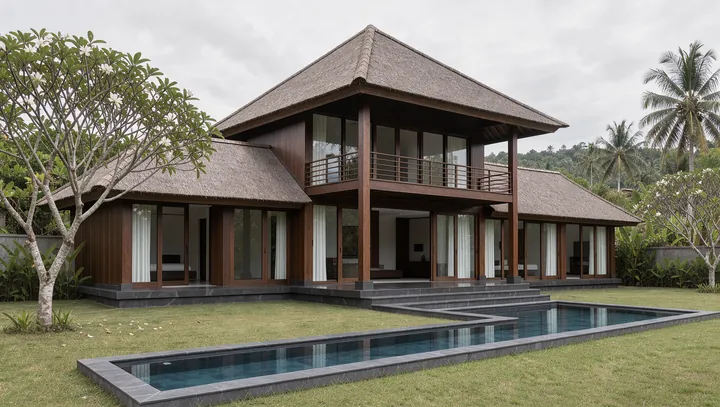
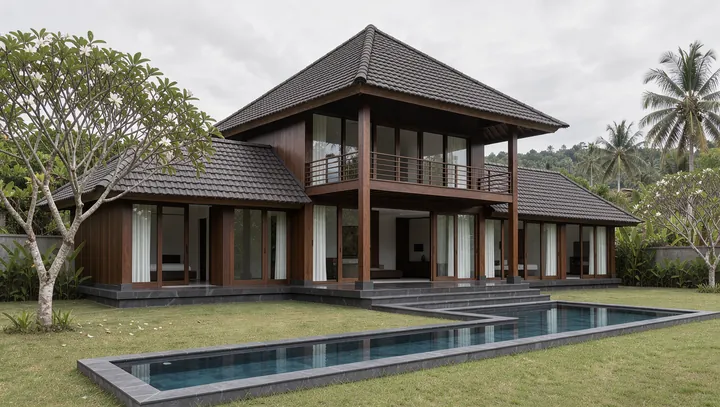
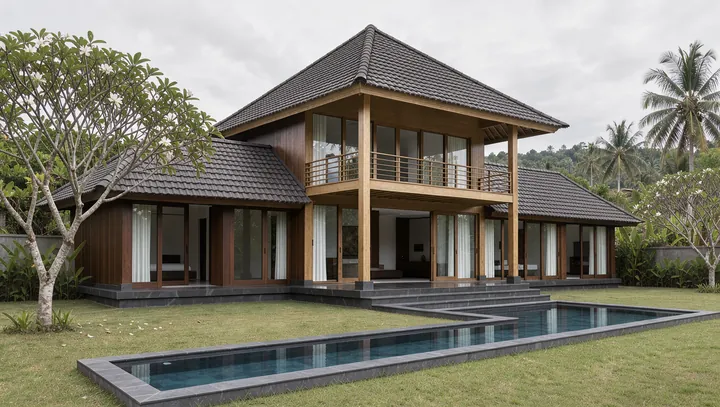
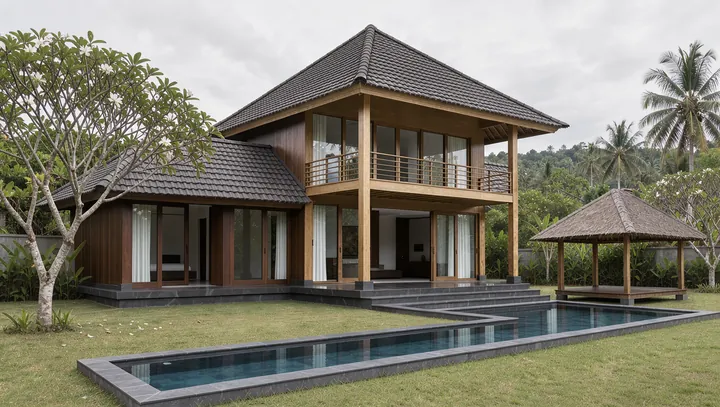
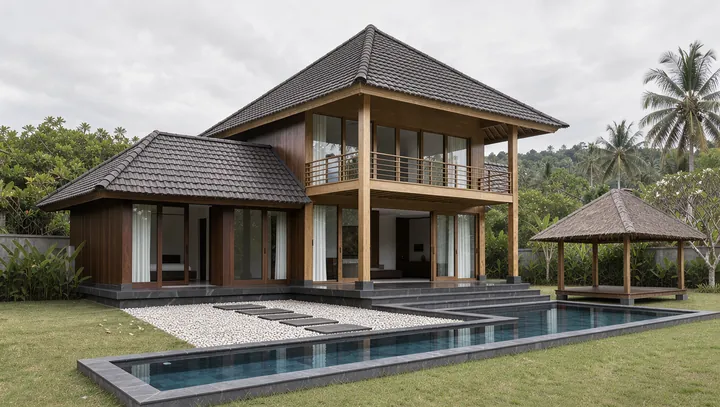
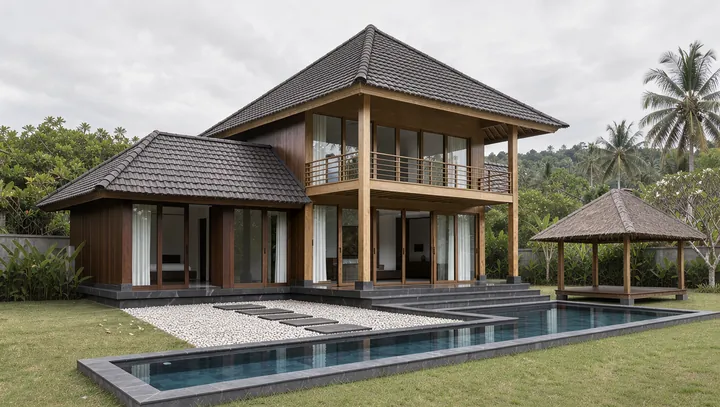
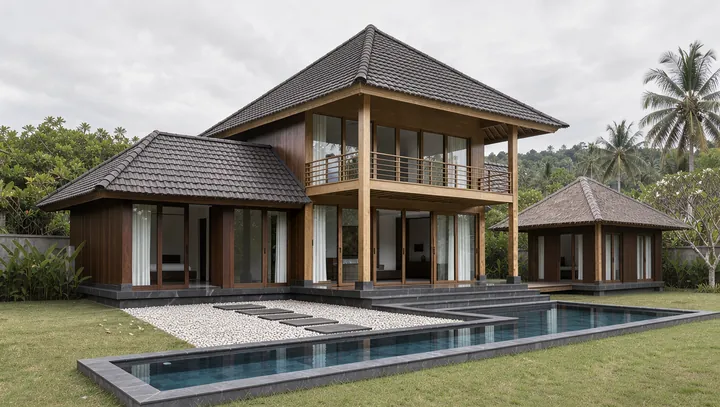
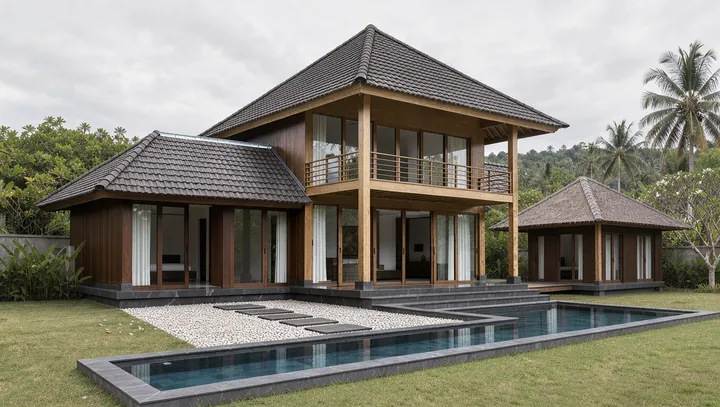
Seedream 5.0 Flash: all eleven frames
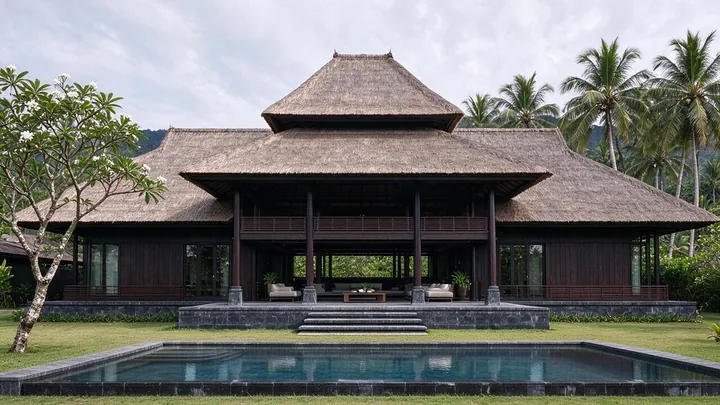
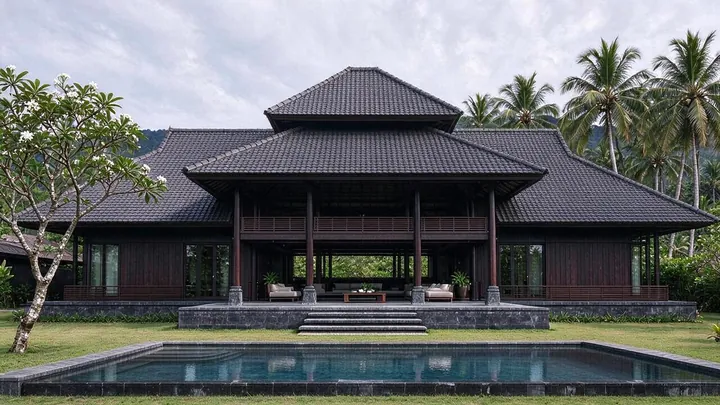
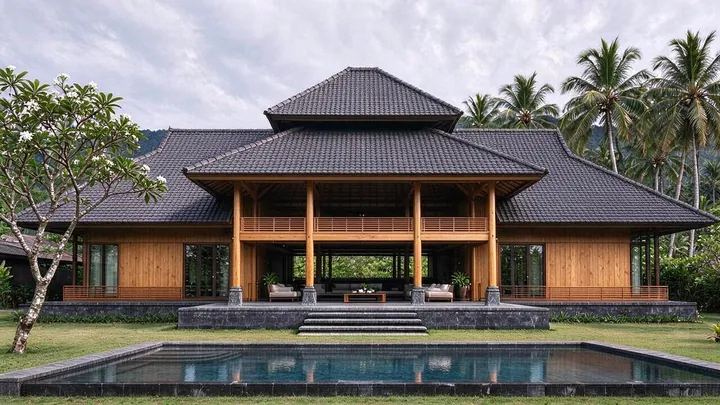
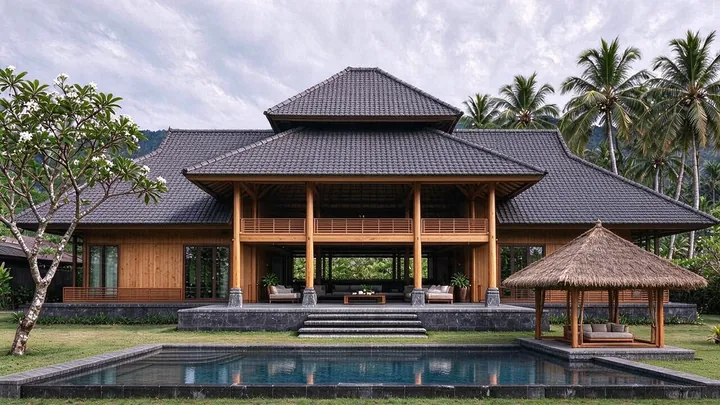
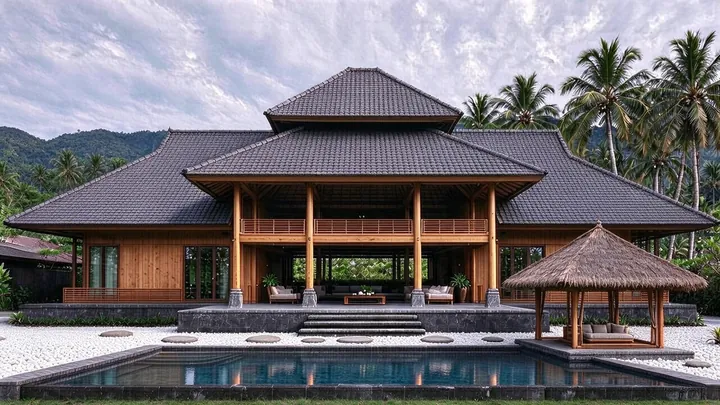
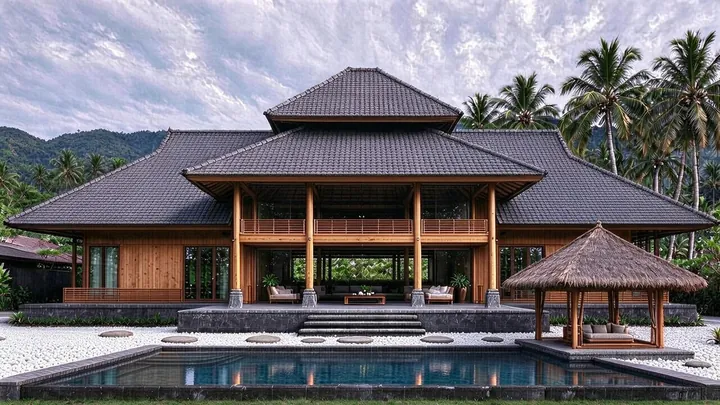
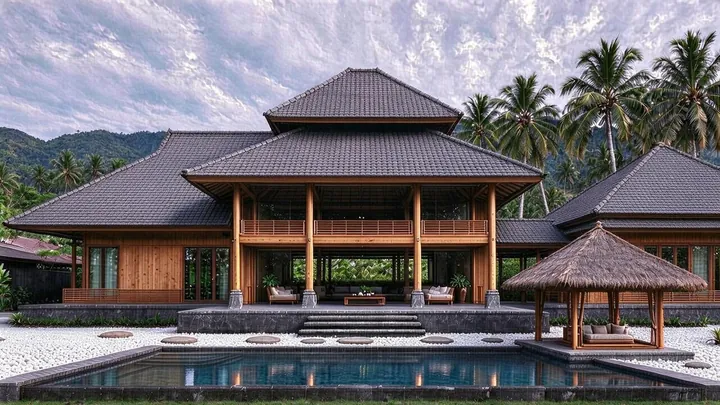
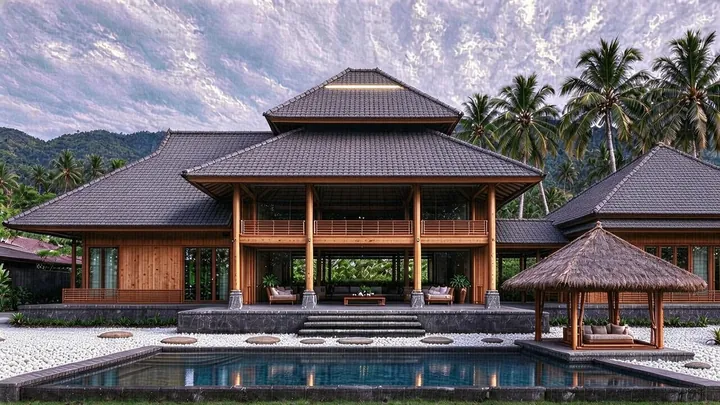
MAI-Image-2.6 Flash: all eleven frames
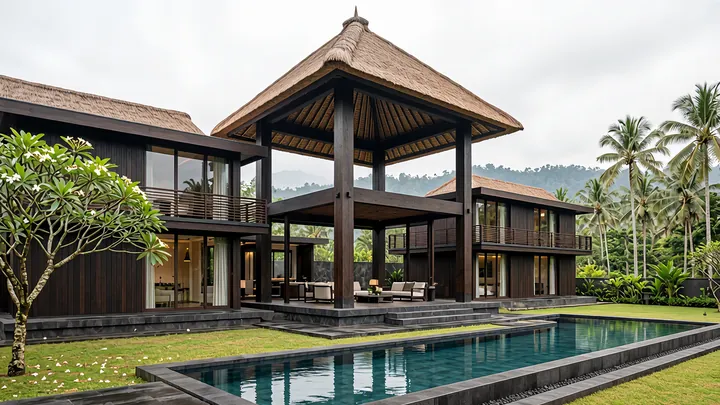
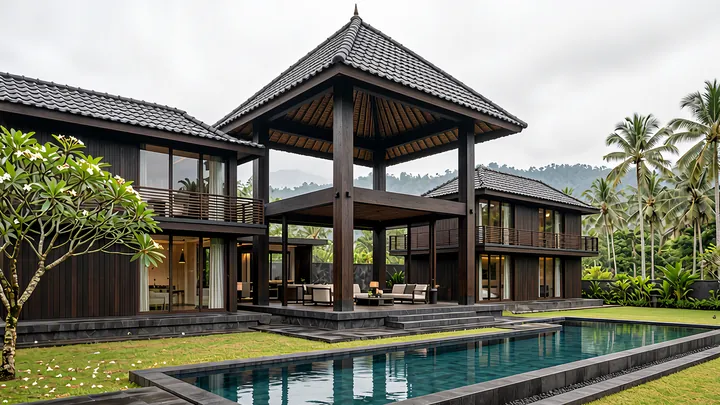
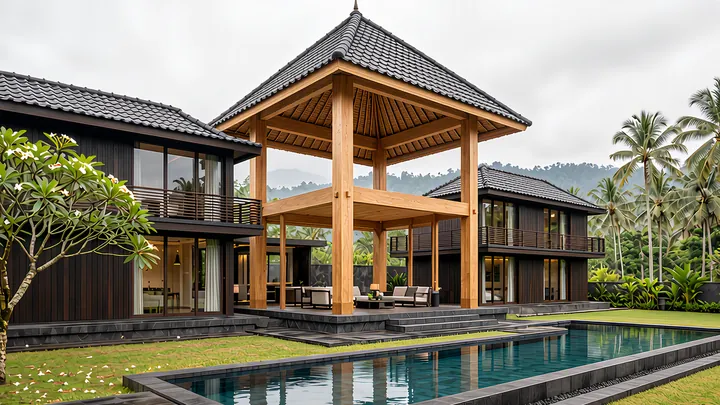
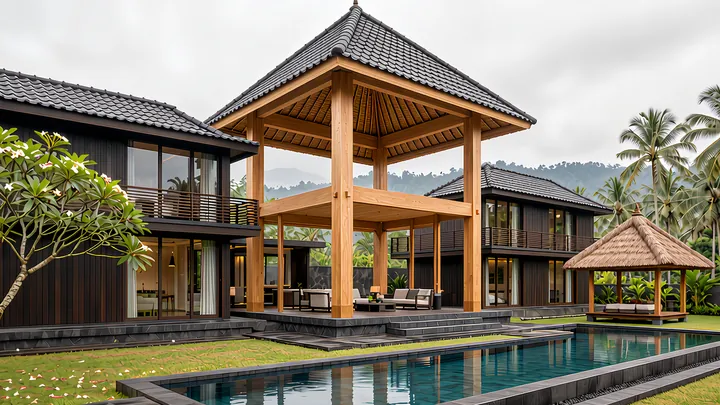
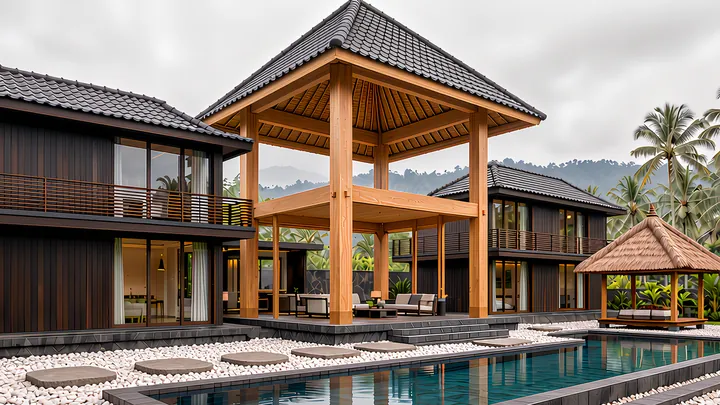
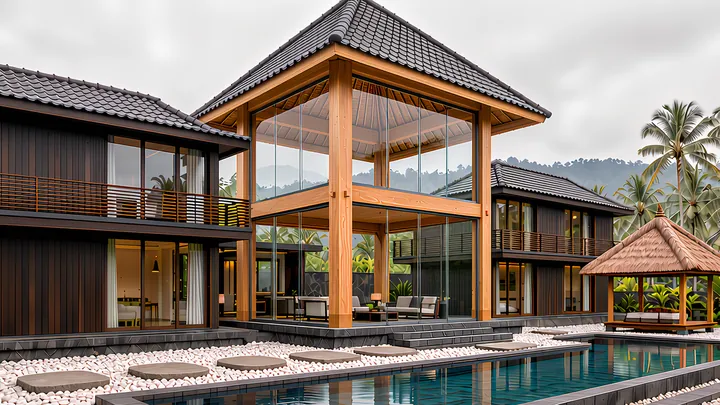
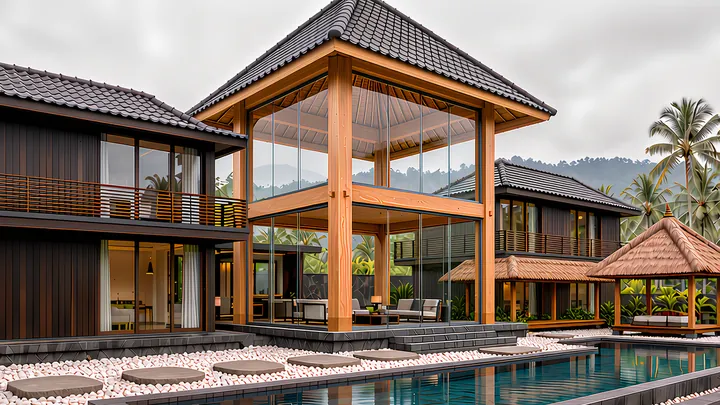
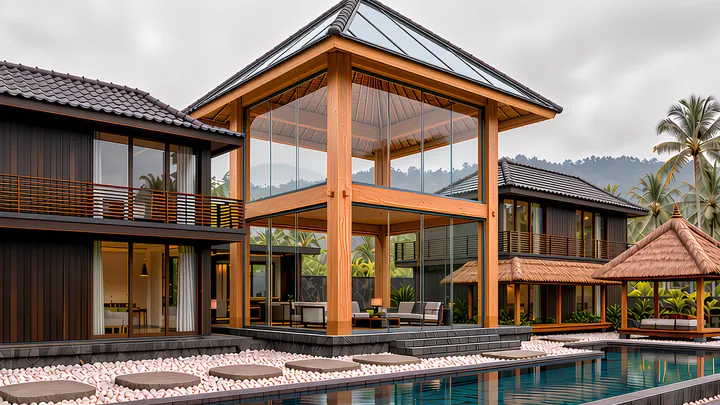
Per step
Drift, edge overlap and detail, from run.jsonStep-by-step figures for all four models
A reference, not a contestant
An earlier chain, a different aspect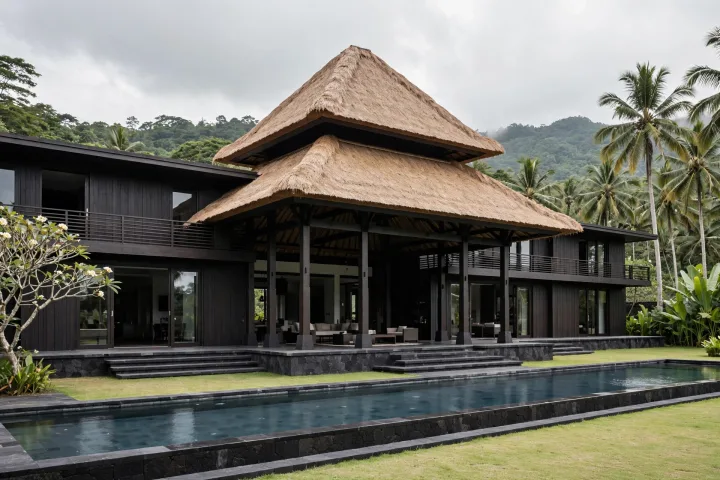
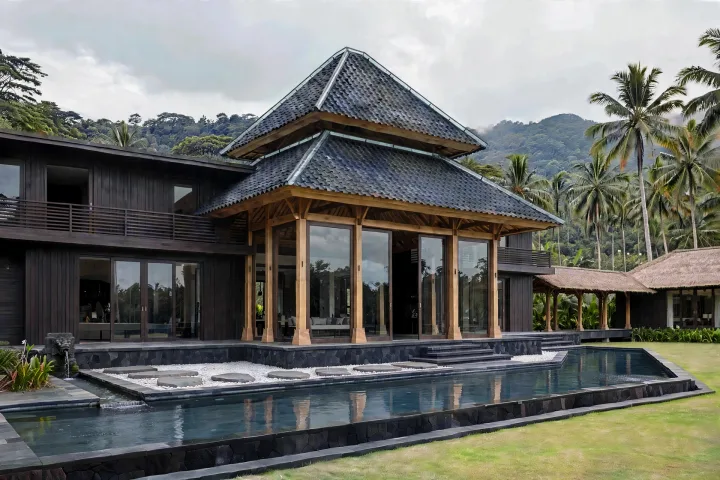
How it was run
- Question
An architect’s session is a chain: change the pool, then the roof, then the timber, then add a pavilion, each edit applied to what the last one produced. We gave four public image models the same chain. Each generated its own picture of the same villa, then received the same ten instructions in the same order, every instruction applied to that model’s previous frame.
The question is how much of the picture is still there at the end: the building, the camera, the sky, the detail. Not whether one edit lands.
- Models and access
-
- GPT Image 2.5 Flare — OpenAI, via OpenRouter
openrouter.ai/api/v1/images· openai/gpt-image-2.5-flare, quality medium, aspect_ratio 16:9 - FLUX.3 Image — Black Forest Labs, via OpenRouter
openrouter.ai/api/v1/images· black-forest-labs/flux-3-image, resolution 1K, aspect_ratio 16:9 - Seedream 5.0 Flash — ByteDance, via OpenRouter
openrouter.ai/api/v1/images· bytedance-seed/seedream-5-0-flash, resolution 1K, aspect_ratio 16:9 - MAI-Image-2.6 Flash — Microsoft, via OpenRouter
openrouter.ai/api/v1/images· microsoft/mai-image-2.6-flash, aspect_ratio 16:9
- GPT Image 2.5 Flare — OpenAI, via OpenRouter
- Seeds
- One villa prompt, sent once to each model; the picture each returned is that model’s seed. Seeds were generated in a separate step and reused for the chains. No model edited another model’s picture.
- Edits
- Ten instructions, the same for every model, each applied to the model’s previous frame, every one followed by the same keep-clause. Verbatim below.
- Aspect and size
- 16:9 requested from all four. Delivered sizes differ: GPT Image 2.5 Flare 1536x864; FLUX.3 Image 1360x768; Seedream 5.0 Flash 1280x720; MAI-Image-2.6 Flash 1360x768 / 1365x768. For measuring, every frame is resampled to its own seed’s grid at 768 px on the long edge.
- Light and camera
- Both are a control, not a variable. The seed prompt asks for flat overcast midday daylight, every edit repeats the lock, and no edit touches light, sky, weather or time of day. Regions no prompt names: the sky; the coconut palm grove behind the villa on the right; the jungle ridge on the horizon; the overcast daylight itself.
- Measures
- Computed by
scripts/bench10-edit-chains-metrics.pyover the saved frames: change per edit, drift, detail against the seed, edge overlap, margin tone and sky shift. All against the model’s own seed. The only judgement on this page is the reading of the frames in the findings.
- Disclosure
-
- Each model generated its own seed once, from the same prompt, in a separate step; the seeds were reused for the chains.
- One chain per model, no repeats. Differences between neighbouring figures can be run-to-run noise.
- Delivered resolution differs per model; every frame is resampled to its own seed's grid before measuring.
- FLUX.3 steps 1-8: the run was interrupted before the raw output was written, so latency for those steps comes from file modification times and cost is the flat per-image price that every other recorded FLUX.3 call carried.
- Sharpness, structure overlap and drift are measured against the seed, and the edits legitimately add and remove objects; they are comparable across models, not an absolute quality score.
- Reproduce
-
- run.json — every measurement on this page; frames.json lists the web frames
- bench10-seeds.mjs — the seed requests (bring your own OpenRouter key)
- bench10-edit-chain.mjs — the chains, with the ten edits and the keep-clause inline; run with
--out ./out --reuse-seedafter copying the seeds into./out - bench10-edit-chains-metrics.py — computes every figure
- prompt-a.txt and prompt-b.txt — seed prompts (only A was edited); seeds.json — the seed requests’ raw output
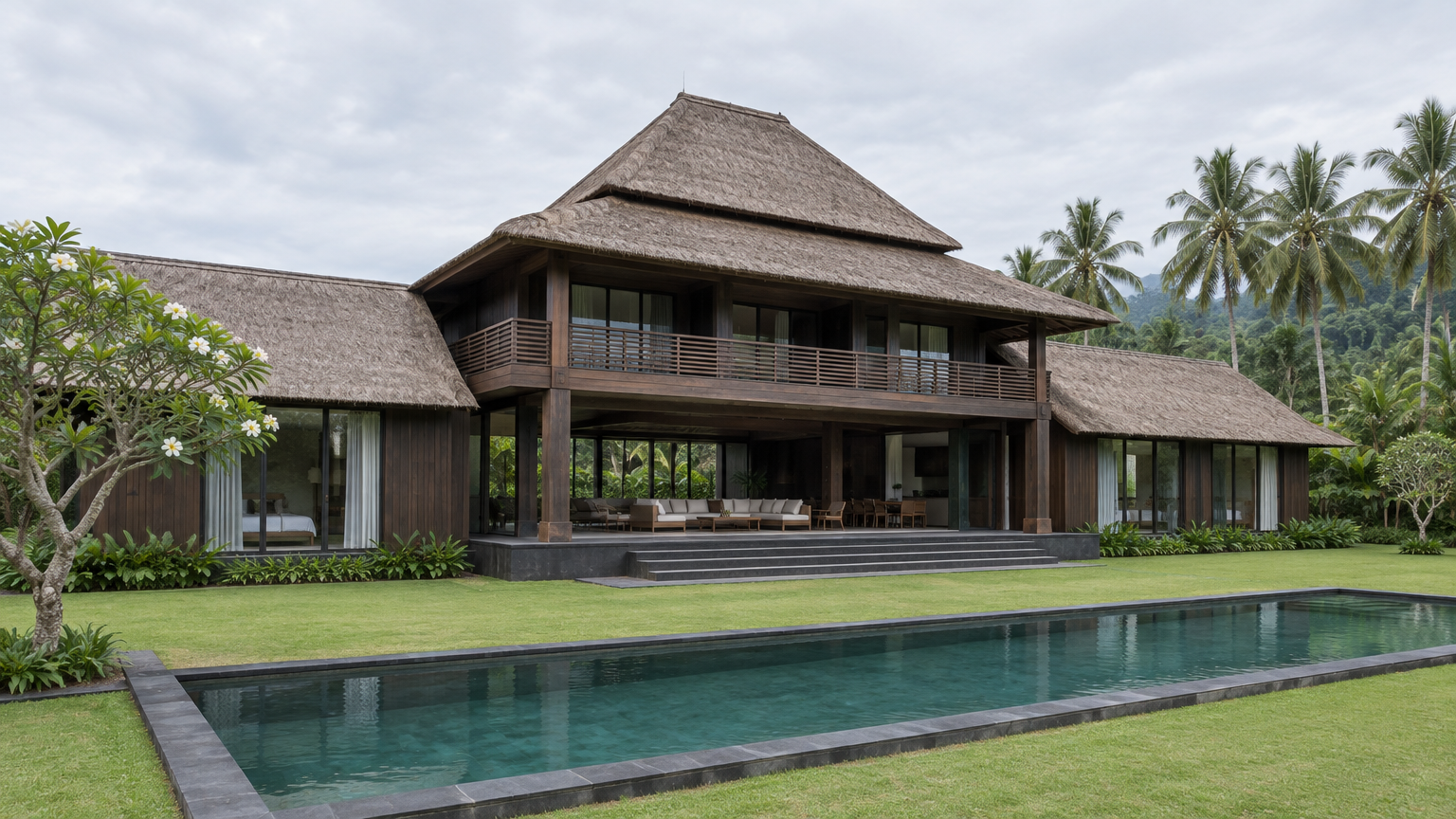
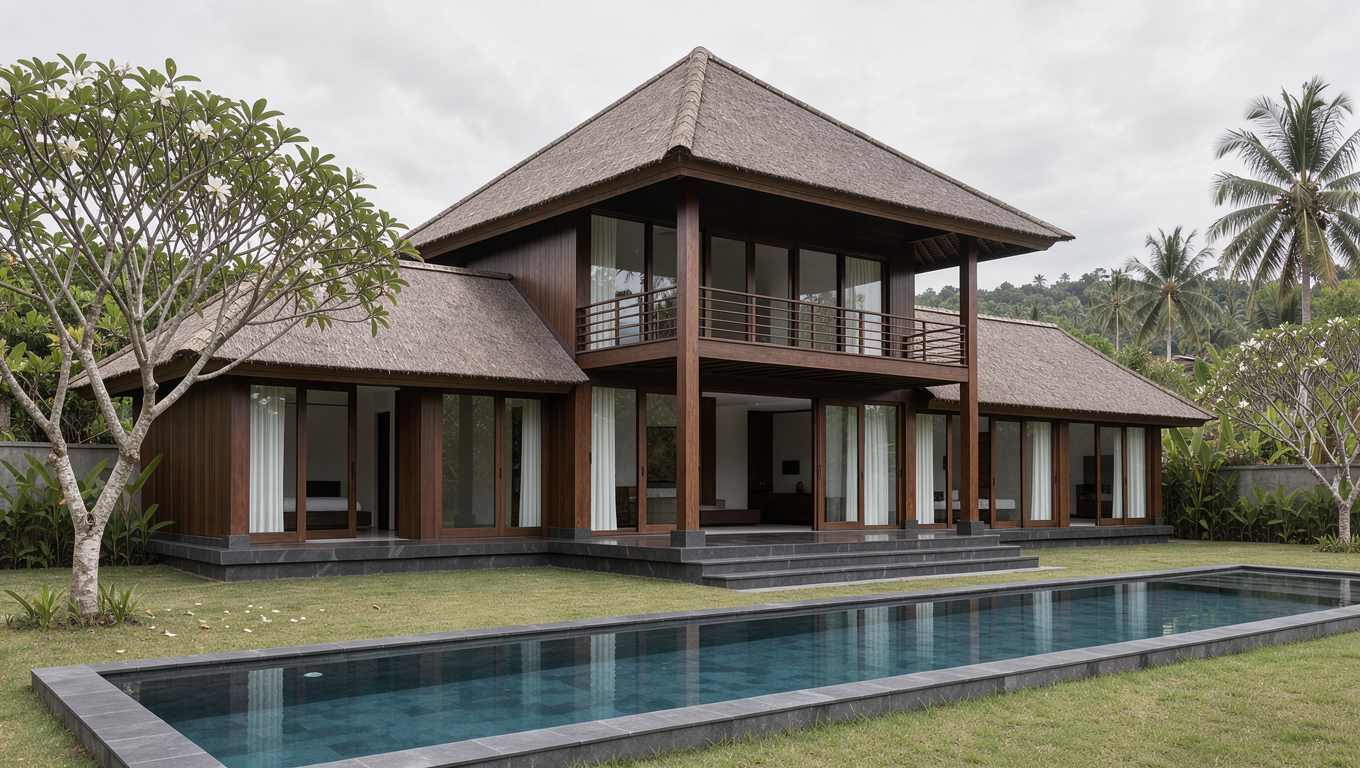
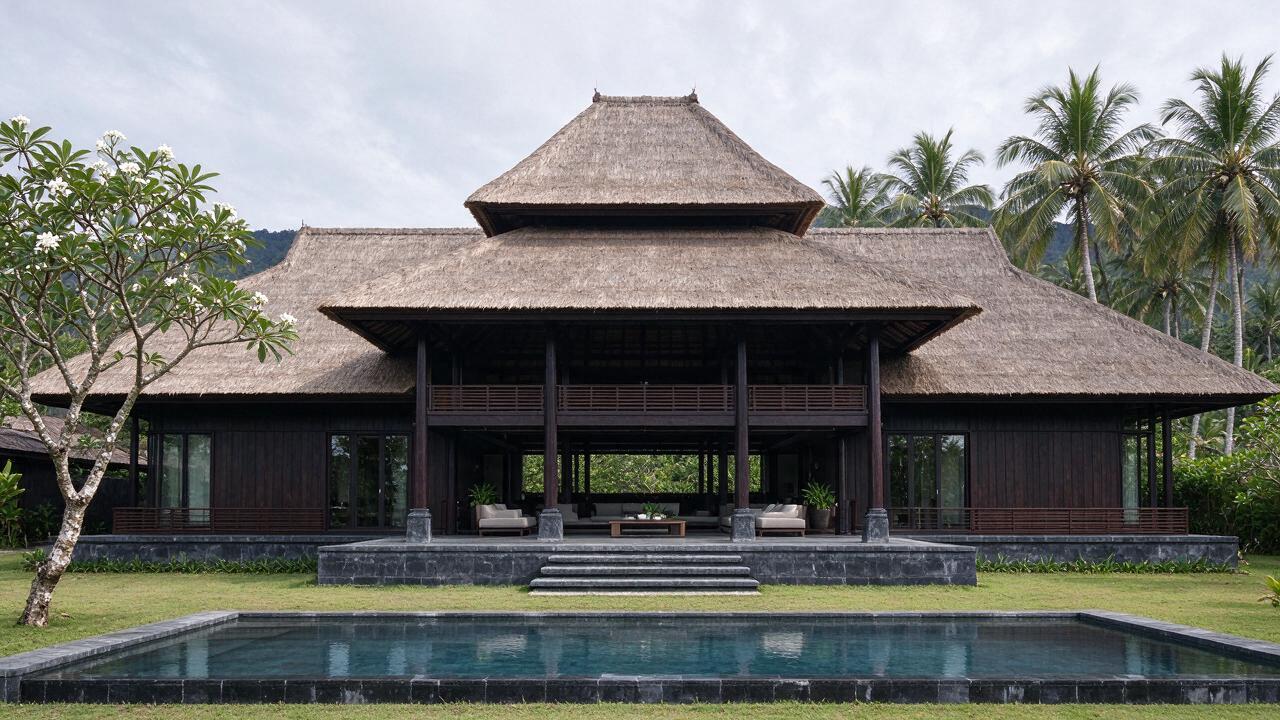
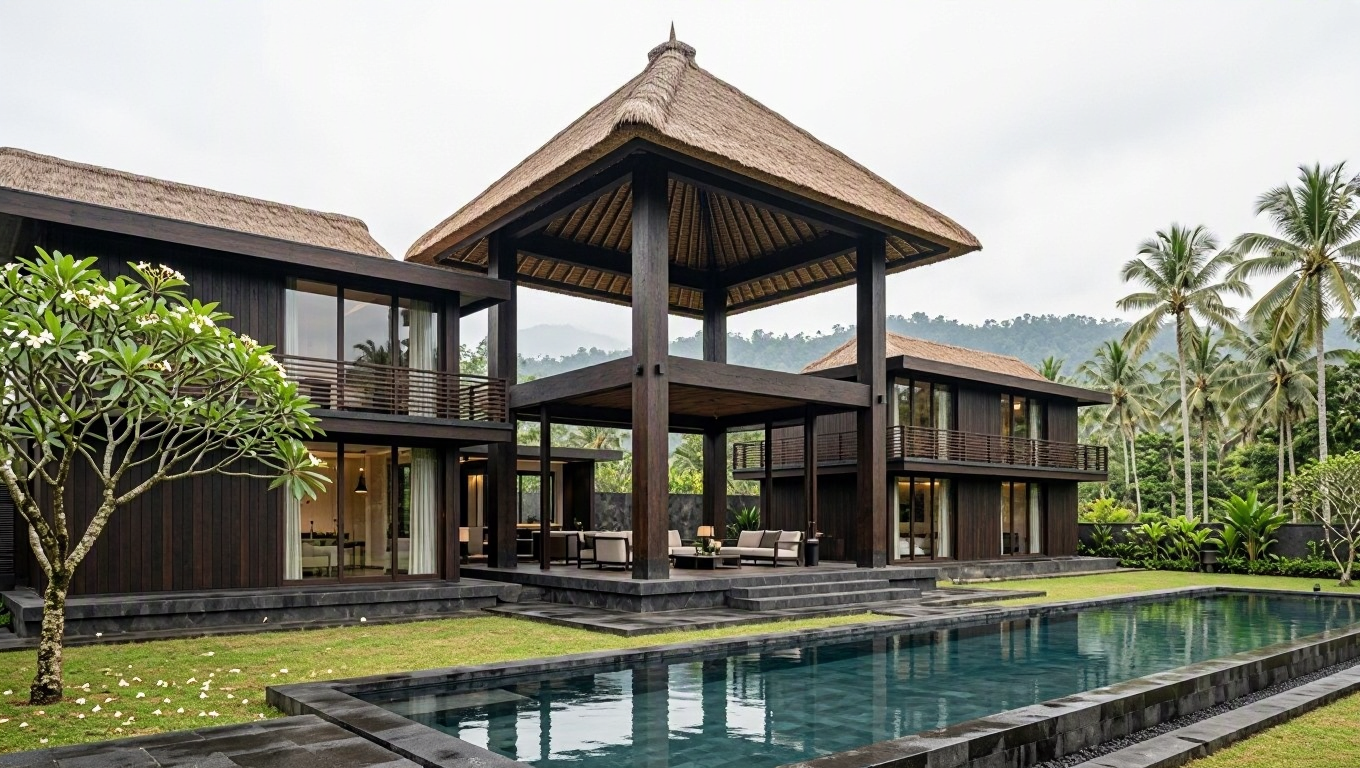
- Seeds: GPT Image 2.5 Flare, FLUX.3 Image, Seedream 5.0 Flash, MAI-Image-2.6 Flash
- raw-run.json — the untouched chain output
- Scope
A dated snapshot of four public image models, executed on 6 October 2026. Providers update models under the same name; figures are left exactly as the run produced them. Providers update models without renaming them, so the date, endpoint and version of everything tested are stated on the page.
The ten edits, verbatim
The keep-clause, appended to every edit
Keep everything else in the image identical — the same building, the same materials, the same objects in the same places.
Do not change the camera in any way: no zooming in or out, no cropping or re-framing, no change of focal length, viewpoint, height or angle, no shifting or rescaling of the scene. The horizon line, the edges of the frame and the position and size of every existing element within the frame must stay exactly where they are. If something new is added, fit it into the existing view rather than pulling the camera back to make room.
Keep exactly the same soft flat overcast midday daylight: do not change the time of day, the weather, the sky, the direction of the light, the shadows or the colour temperature.
The seed prompt
A photorealistic architectural photograph of a large contemporary villa in Bali, Indonesia — a modern architect's reinterpretation of the Javanese joglo, not a traditional house. The joglo is present only as structure and silhouette: a steep two-tiered pyramidal roof in alang-alang thatch with deep clean overhanging eaves, carried on four heavy dark-stained ironwood soko guru posts and plain squared beams. Every surface is flat, planed and unornamented — no carving, no traditional motifs, no decorative fretwork anywhere.
A substantial two-storey private house about twenty-five metres wide, not a garden pavilion. Under the joglo roof at the centre is a deep open-sided living veranda on a honed dark volcanic stone plinth, with three wide stone steps down to the garden. Two long lower wings extend left and right under simple pitched thatch roofs: enclosed rooms clad in flush vertical dark-stained timber boards, with tall frameless floor-to-ceiling glazing and slim dark metal frames. Upstairs bedrooms open onto a continuous first-floor balcony with a plain horizontal timber slat railing running the width of the facade.
A rectangular swimming pool in the foreground, parallel to the facade, edged in dark volcanic stone. Mown lawn between the pool and the steps. A frangipani tree at the left of the pool. A coconut palm grove behind the villa on the right, jungle ridge on the horizon.
Soft flat overcast midday daylight, no direct sun, no strong shadows, neutral white balance. A wide shot photographed at eye level in three-quarter view from the garden side. The entire villa is inside the frame with clearmargin on both sides: the far end of the left wing and the far end of the right wing are both fully visible, and nothing is cut off by the edges of the picture. The whole length of the pool is visible too. No people, no text.
Questions
Which image model degrades least over repeated edits?
In this run, FLUX.3 Image. Over ten sequential architectural edits it ended with the highest edge overlap with its own seed (0.24 against 0.06 to 0.10), the lowest drift (27.3 against 35.5 to 59.6) and the smallest change per edit. It was also the slowest, at 69.7 s median per edit. One run per model, so treat close figures as unresolved.
What does an image model do to a picture over ten edits?
Three different things in this run. MAI-Image-2.6 Flash re-shot the scene from the first edit and kept moving the camera. Seedream 5.0 Flash and GPT Image 2.5 Flare kept the frame but added texture and shifted the sky (sky shift 81.0 and 21.4). FLUX.3 Image changed least (sky shift 4.3) but still did not hold the camera exactly.
Can you stop a model from moving the camera by telling it not to?
Not in this run. Every edit carried a written lock on zoom, crop, re-framing, focal length, viewpoint, height and angle, plus an instruction to fit additions into the existing view. In the frames, all four models still moved the camera over ten edits, by very different amounts; camera movement was not measured separately.
How much did ten edits cost with each model?
GPT Image 2.5 Flare $0.20, FLUX.3 Image $0.24, Seedream 5.0 Flash $0.18, MAI-Image-2.6 Flash $0.23, as reported by the endpoint per request, for ten edits and without the seed. FLUX.3 steps 1 to 8 carry the flat per-image price its other calls carried, because the run was interrupted before the endpoint's own figures were saved.
How can I reproduce this benchmark?
The seed prompt, the ten edits and the keep-clause are published verbatim, with the harness, the seed script, the four seed images, the metrics script and the untouched raw output. You need your own OpenRouter key. The run date and the exact model identifiers and parameters are recorded above, because models change under the same name.